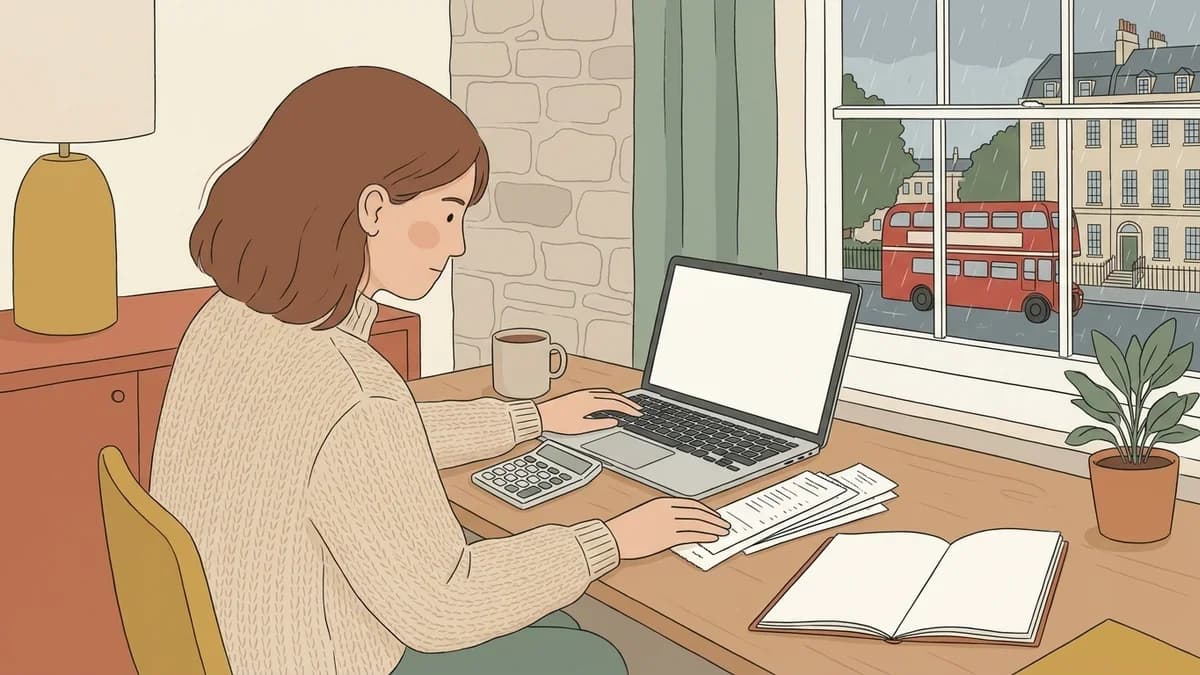
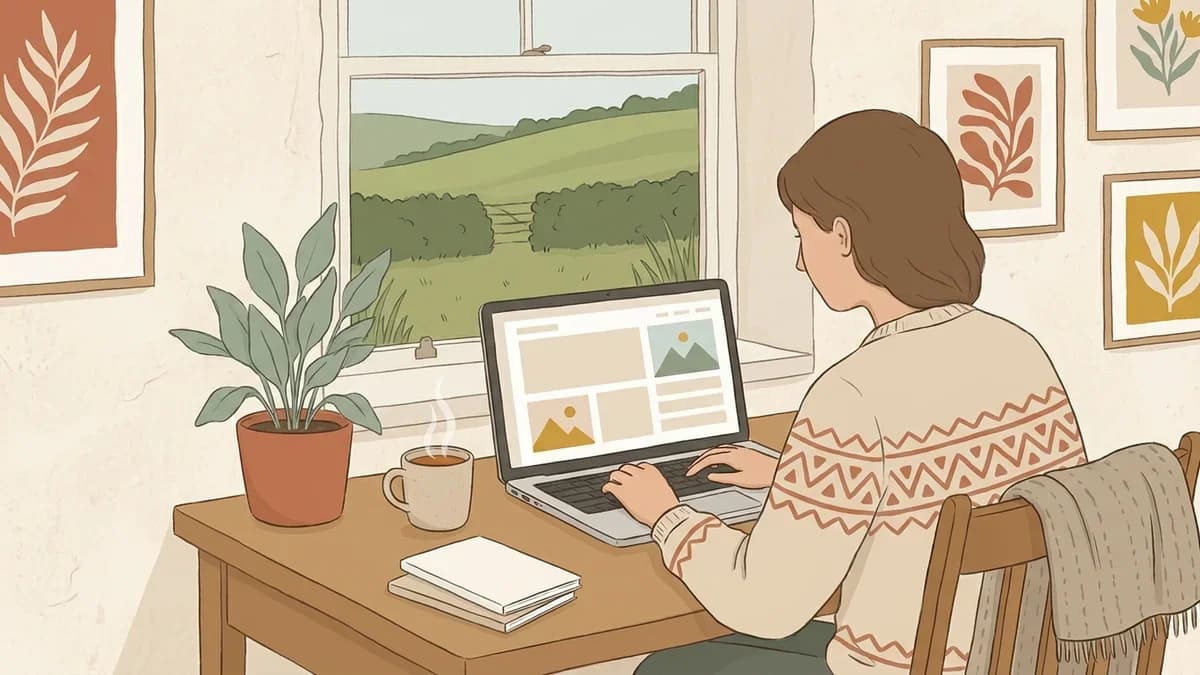
Freelancing is one of the most popular side hustles in the UK — and for many people it grows into a full-time business. Whether you write, design, code, edit videos or manage social media, here's how to get started with freelancing for beginners, from your first client to your first tax return.
This is general information, not financial advice. Check GOV.UK for current tax rules.
Step 1: Choose a skill people pay for
Start with what you already do well. Popular freelance services include:
- writing, copywriting and proofreading;
- graphic design and branding;
- web design and development;
- social media management;
- video and photo editing;
- virtual assistance and admin support;
- bookkeeping (with appropriate training);
- translation and tutoring.
Step 2: Build a simple portfolio
Clients want to see what you can do. If you don't have paid work yet:
- create two or three sample projects;
- offer a small project to a local charity or community group;
- write case studies explaining the problem, what you did and the result.
A simple website or an online portfolio is enough. See our guide on how to make a website.
Step 3: Find your first clients
- Your network — tell friends, family and former colleagues what you're offering. Many first clients come from personal recommendations.
- LinkedIn — update your profile, post examples of your work and join groups in your niche.
- Freelance platforms — Upwork, Fiverr and the UK-based PeoplePerHour can help you get started, though fees and competition can be high.
- Local businesses — cafés, salons and tradespeople often need help with websites, social media or marketing.
- Agencies — many agencies hire freelancers for overflow work.
Step 4: Set your rates
- Research what others with similar experience charge in your field.
- Start with a rate you're comfortable with, then raise it as your portfolio grows.
- Remember your rate needs to cover tax, holidays, sick days, equipment and software.
- Consider project prices instead of hourly rates once you know how long tasks take.
Step 5: Get the basics right
- Contracts: agree the scope, deadlines, number of revisions and payment terms in writing before you start.
- Invoices: include your name, the client's details, a description of the work, the amount and payment terms.
- Late payments: for business clients, the law allows you to claim statutory interest and compensation on late payments.
- Insurance: consider professional indemnity insurance if a mistake could cost a client money.
The £1,000 trading allowance and HMRC
If your freelance income is £1,000 or less in a tax year (6 April to 5 April), you usually don't need to tell HMRC or pay tax on it, thanks to the trading allowance.
If you earn more than £1,000, you'll need to register for Self Assessment, keep records and file a tax return. Our step-by-step guide explains how to become self-employed.
Selling things you no longer need — such as old clothes on an online marketplace — is different from trading, and isn't usually taxable.
Tips for freelancing alongside a job
- Check your employment contract for any rules about second jobs or conflicts of interest.
- Protect your time — set specific hours for freelance work to avoid burnout.
- Under-promise and over-deliver — reliability gets you repeat work and referrals.
- Ask for testimonials after every successful project.
- Save for tax — put aside 20–30% of each payment.
Want more money guides? Browse our side hustles and personal finance sections.